How Does The Biological Clock Tick? - IELTS Reading Answers With Explanations
5 min read
Updated On
-
Copy link
Check out the “How Does The Biological Clock Tick?” IELTS Reading Answers, with location & explanation. Also, find out more IELTS Academic reading passages to perfect your skills and get a band score of 9 here!
Table of Contents


Limited-Time Offer : Access a FREE 10-Day IELTS Study Plan!
Getting ready for the IELTS Reading exam can feel overwhelming, especially when you are to crack passages like “How Does The Biological Clock Tick?” This previously asked IELTS reading passage challenges you with its blend of context, words, and tricky question types!
If you are aiming for a band 8 or higher, this page will help you understand the passage more deeply and approach each question type with a proper strategy. In this article, we break down “How Does The Biological Clock Tick?” IELTS Reading passage and let you access its answers with easy-to-understand explanations given to boost your accuracy and confidence!
Types of Questions in “How Does The Biological Clock Tick?” IELTS Reading Passage
Practicing different types of questions in the IELTS Reading test will make it easier for you to crack passages like “How Does The Biological Clock Tick?” The question types in this IELTS Reading Passage include:
How Does The Biological Clock Tick?
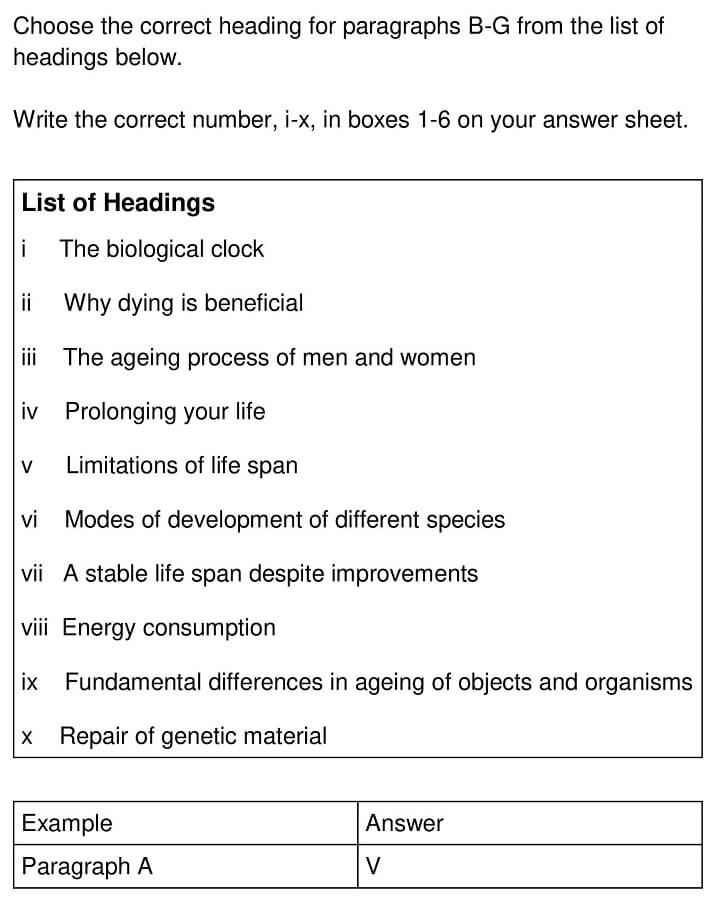
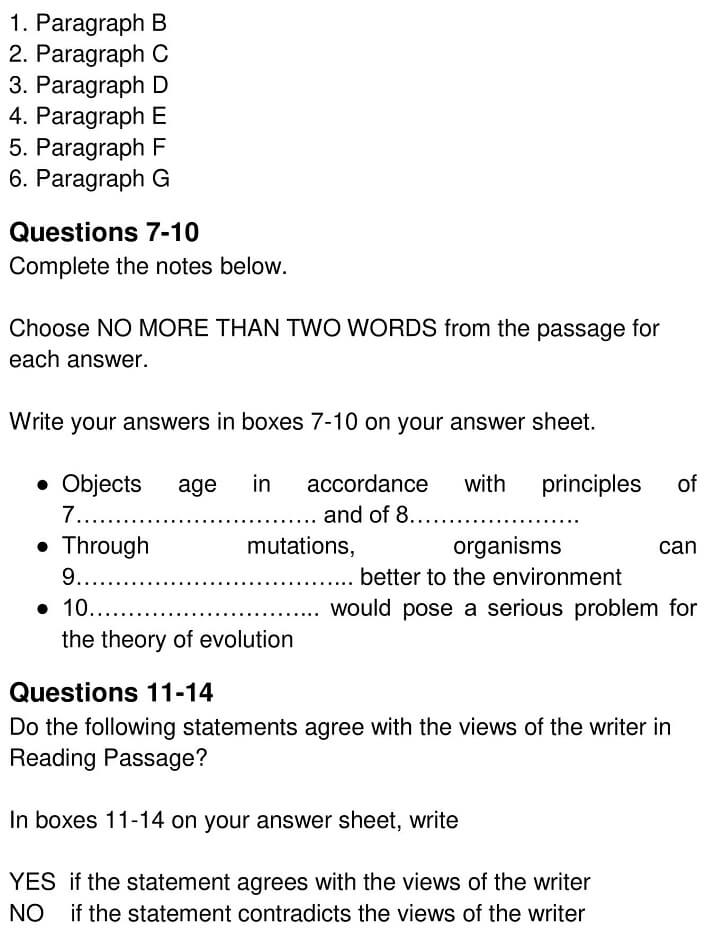
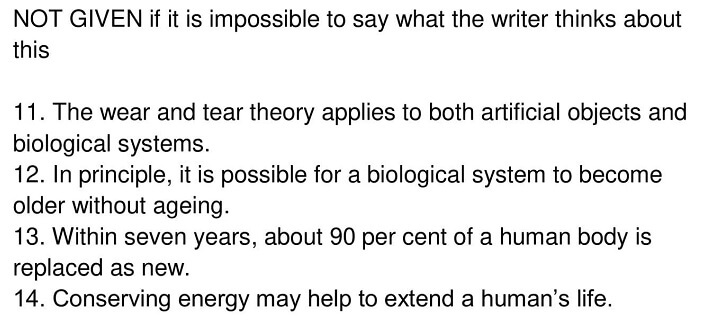
How Does The Biological Clock Tick? - IELTS Reading Answers With Explanations
Unlock Answers
| Question number | Answer | Keywords | Location of keywords |
|---|---|---|---|
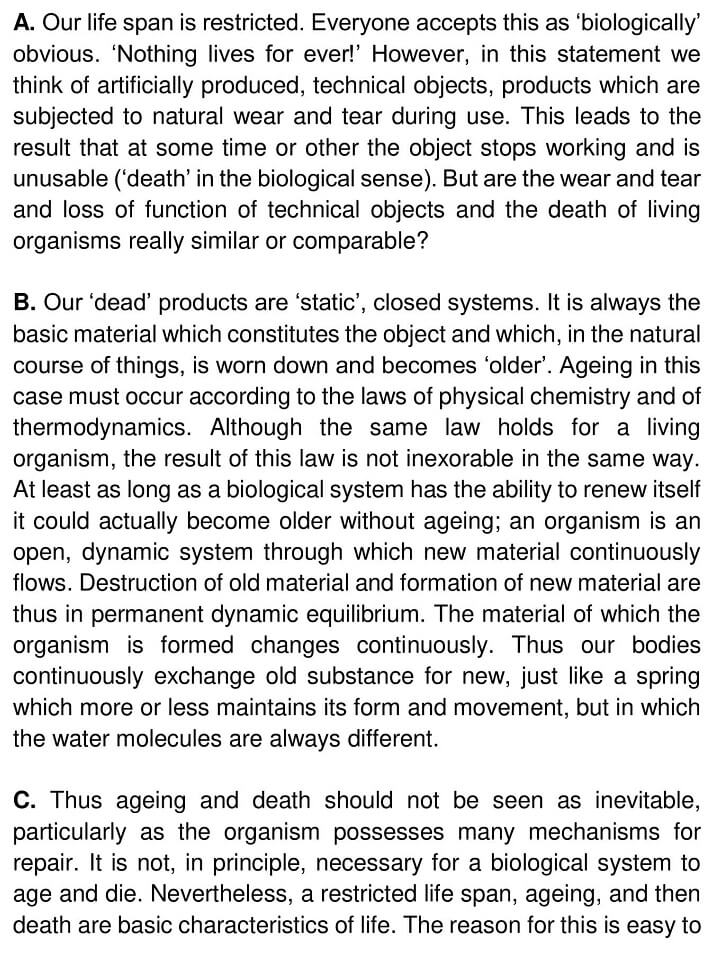
| 1 | ix | Although the same law holds for a living organism, the result of this law is not inexorable in the same way. At least as long as a biological system has the ability to renew itself it could actually become older without ageing; an organism is an open, dynamic system through which new material continuously flows. | Paragraph B;
Lines 3 – 4 |
| 2 | ii | Immortality would disturb this system – it needs room for new and better life. This is the basic problem of evolution. | Paragraph C;
Lines 6 – 7 |
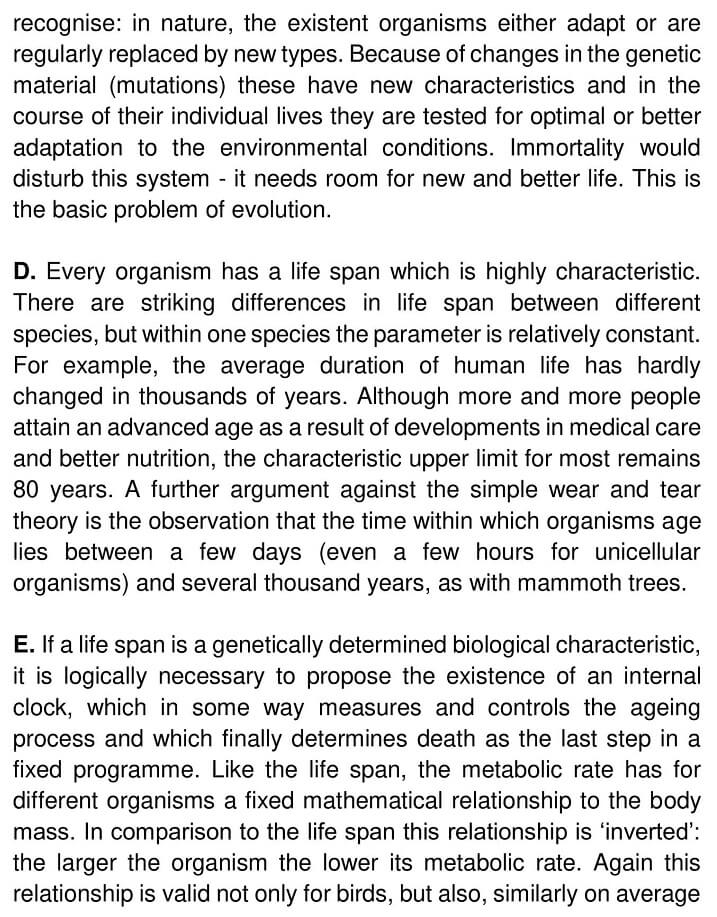
| 3 | vii | Although more and more people attain an advanced age as a result of developments in medical care and better nutrition, the characteristic upper limit for most remains 80 years. | Paragraph D;
Line 4 |
| 4 | i | If a life span is a genetically determined biological characteristic, it is logically necessary to propose the existence of an internal clock | Paragraph E;
Line 1 |
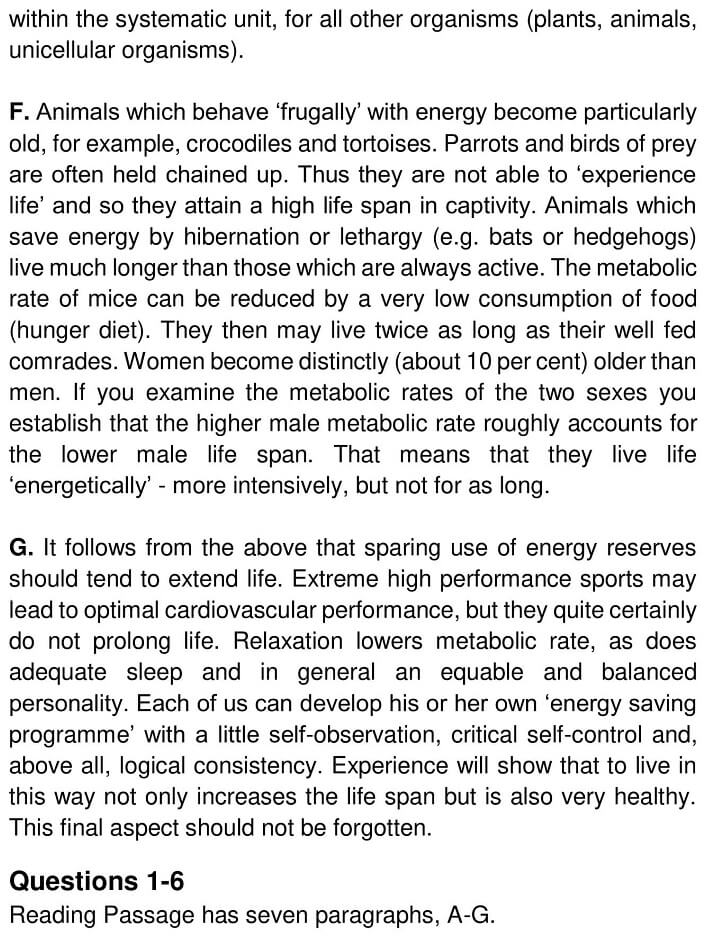
| 5 | viii | Animals which behave ‘frugally’ with energy become particularly old, for example, crocodiles and tortoises | Paragraph F;
Line 1 |
| 6 | iv | It follows from the above that sparing use of energy reserves should tend to extend life | Paragraph G;
Line 1 |
| 7 | physical chemistry, thermodynamics IN EITHER ORDER | Ageing in this case must occur according to the laws of physical chemistry and of thermodynamics | Paragraph B;
Line 3 |
| 8 | physical chemistry, thermodynamics IN EITHER ORDER | Ageing in this case must occur according to the laws of physical chemistry and of thermodynamics | Paragraph B;
Line 3 |
| 9 | adapt | Because of changes in the genetic material (mutations) these have new characteristics and in the course of their individual lives they are tested for optimal or better adaptation to the environmental conditions. | Paragraph C;
Line 5 |
| 10 | immortality | Immortality would disturb this system – it needs room for new and better life. This is the basic problem of evolution. | Paragraph C;
Lines 6 – 7 |
| 11 | NO | But are the wear and tear and loss of function of technical objects and the death of living organisms really similar or comparable? | Paragraph A;
Last line |
| 12 | YES | At least as long as a biological system has the ability to renew itself it could actually become older without ageing; an organism is an open, dynamic system through which new material continuously flows. | Paragraph B;
Line 4 |
| 13 | NOT GIVEN | – | – |
| 14 | YES | sparing use of energy reserves should tend to extend life. | Paragraph G;
Line 1 |
Get Better at Reading for IELTS with IELTSMaterial
You would really benefit from practicing more academic reading practice exams such as “How Does The Biological Clock Tick?” as well as IELTS reading actual tests! Join our free trial sessions to get advice from IELTS experts on how to ace the reading portion of the exam. Don’t forget to leave a comment below to let us know how this blog has helped you prepare!
Check More IELTS Reading Answers
Also check :
Practice IELTS Reading based on question types

Start Preparing for IELTS: Get Your 10-Day Study Plan Today!

Recent Articles

Nehasri Ravishenbagam
Haniya Yashfeen

Haniya Yashfeen

Haniya Yashfeen


Post your Comments